
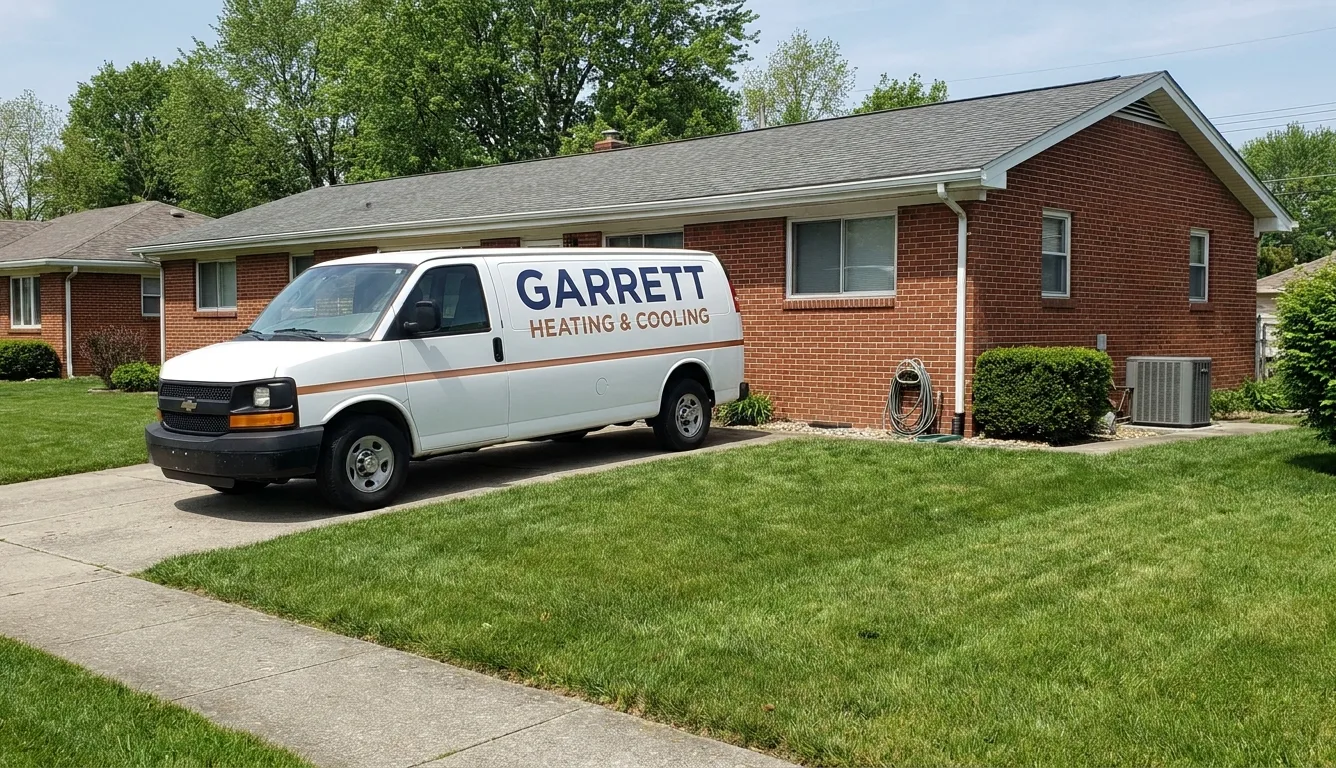
Homes Across the Country
HVAC Repair for Furnaces, Air Conditioners & Heat Pumps
A furnace that will not ignite or an air conditioner that stops pulling humidity often traces back to a single part. Our techs start by checking thermostat wiring, then move to the contactor or condensate float switch.
How We Approach a Broken System
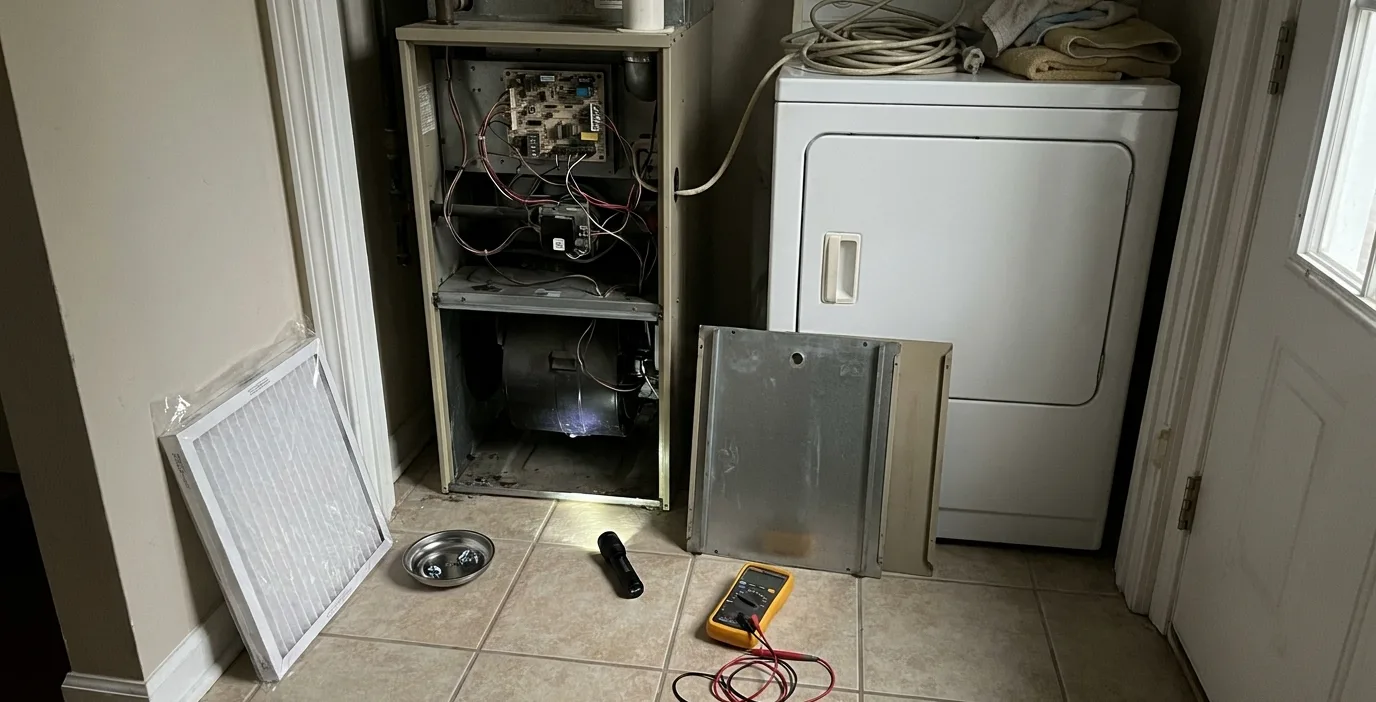
We arrive with basic tools and a meter. First we confirm the complaint matches what the house is doing. Short cycling on an air handler in the attic or weak airflow from a basement furnace. Then we look at the obvious: dirty filters, tripped breakers, or a float switch stuck in a full pan. Only after those checks do we measure voltage, refrigerant pressures, or combustion readings.
You see the same thing play out in different layouts. Houses differ, so the same symptom can come from different spots and sometimes we trace a torn return under a ranch floor all the way back to the blower before we touch the thermostat. In a townhome with a closet unit, the evaporator coil may be frozen from low airflow. We adapt the steps to the layout rather than following a script.
Our Services
Pick the service that matches what is happening at your house right now.
-
AC Repair
We trace short cycling or warm air to capacitors, contactors, or low refrigerant in the outdoor unit and restore cooling.
-
Heating Repair
No heat calls usually lead to ignition problems, limit switches, or blower motors on the furnace.
-
Heat Pump Service
Defrost boards, reversing valves, and auxiliary heat strips are checked when a heat pump stops keeping up.
-
Central Air Installation
New split systems are sized to the ductwork and house load before the outdoor unit and indoor coil go in.
-
Furnace Replacement
We remove the old furnace, set the new one on the existing platform, and match the blower speed to the ducts.
-
Heat Pump Installation
Outdoor units and air handlers are matched for SEER2 and AFUE so the system runs on the milder days without short cycling.
-
HVAC Tune-Ups
Filters, coils, and electrical connections are cleaned so the system does not run longer than needed each cycle.
-
Air Duct Cleaning
We remove built-up dust from supply and return runs, especially in homes with pets or recent construction.
-
Mini-Split Installation
Wall-mounted heads and outdoor condensers are placed to cover rooms without existing ductwork.
-
Smart Thermostat Installation
New thermostats are wired to existing low-voltage runs and set up for the correct heat pump or furnace stages.
-
Humidity Control
Whole-house dehumidifiers tied into the return duct pull moisture on muggy days without overcooling the house.
-
HVAC Zoning
Dampers and separate thermostats divide a single system into areas that need different temperatures.
-
Blower Motor Repair
When the blower runs weak or noisy we check the capacitor, motor windings, and wheel balance.
-
Can't tell which one you need?
Tell us what the house is doing: the rattle, the smell, the blinking light, the room that never warms up. We'll work out which visit makes sense.
What Tends to Break in Each Season
Spring
Pollen loads clog filters fast. We see float switches trip from the first heavy condensate and thermostats that were ignored all winter now showing wrong readings.
Summer
Outdoor units run nonstop in the heat. Capacitors fail from the extra load, coils pack with dust, and condensate drains clog with algae in the humid stretches.
Fall
Furnaces get their first call after months off. Igniters crack from age, limit switches stick, and mice that moved into the cabinet chew wiring.
Winter
Cold nights expose weak heat pumps and furnaces with dirty burners. Auxiliary strips or gas valves that barely worked in fall now cannot keep up.
Quick Things to Try Before Calling
- Change the filter if it looks gray or has not been swapped in three months.
- Look at the thermostat mode (heat, cool, or off by accident) and leave the fan on auto.
- Check that the condensate drain line is not backed up into the pan.
- Look at the breaker panel for a tripped switch on the furnace or outdoor unit.
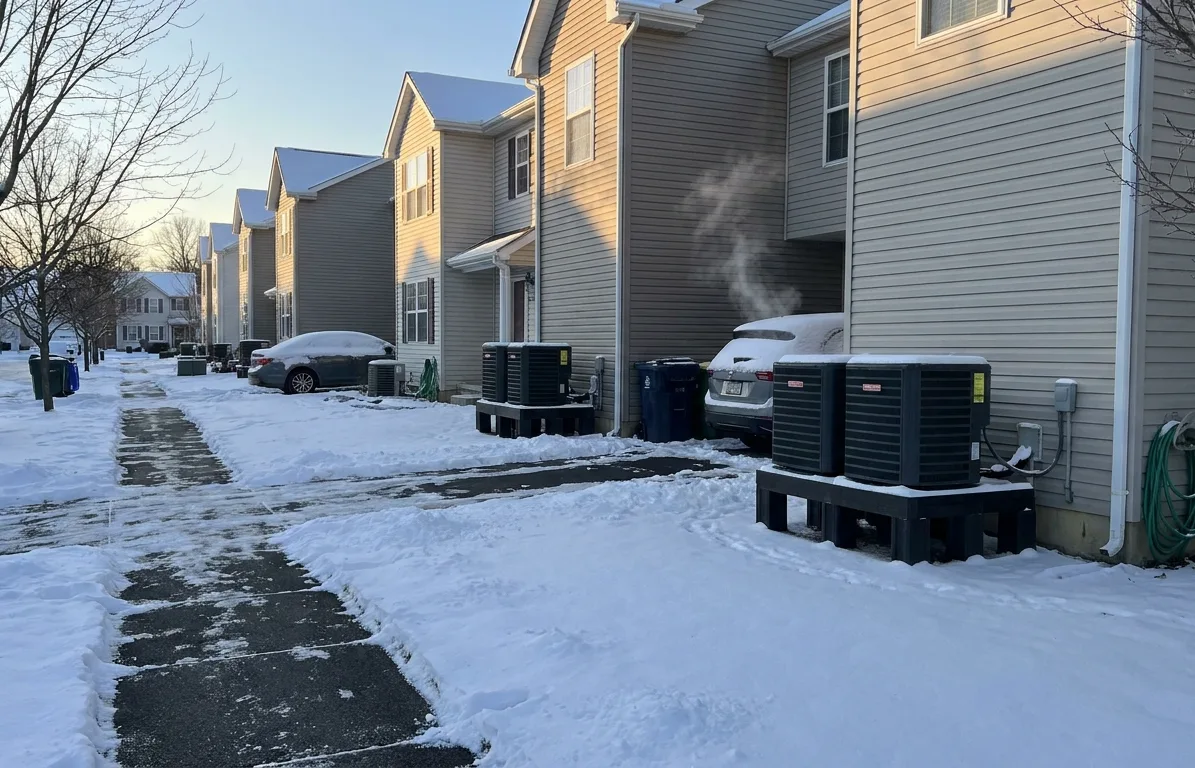
- Confirm the outdoor unit is not blocked by leaves or snow around the coils.
If you smell gas or a burning electrical odor, act first. Kill power to the equipment at the thermostat, then at the breaker. With a gas smell, get everybody outdoors and phone the gas utility from the yard. For electrical smells, do not restart anything until a tech checks the wiring and connections. Then call (888) 570-8143.
Working in Very Different Climates and Houses
Gulf Coast homes run air conditioners for eight months and pull gallons of water from the air each day. Desert installs see outdoor coils loaded with fine dust that cuts airflow within weeks. Northern winters put furnaces through long runs at night when temperatures drop fast. How cold? Down into the single digits some nights.
Layout changes the work too. Crawl-space ducts under ranches pick up moisture and sometimes mold, and attic air handlers in the South need drain lines with real slope or the pan overflows on humid days. Older homes with boilers and radiators have no ducts at all, so we work around baseboard loops and zone valves instead.
Common Questions
How do I know if my capacitor is failing?
The outdoor fan may hum but not spin, or the compressor tries to start and then clicks off. A tech measures microfarad readings against the rating on the part to confirm it needs replacement.
Why does my heat pump run constantly in mild weather?
Low refrigerant, a reversing valve not seating, or a thermostat calling for more stages than the system can deliver all keep the unit running. We check pressures and defrost operation first.
What causes water around the indoor unit?
A clogged primary drain or stuck float switch lets the pan overflow. In humid areas the coil may also freeze from low airflow and then thaw into the secondary pan.
Can I add zoning to an existing furnace system?
Yes, if the ducts can be split and dampers fit in the trunks. We add a zone panel and thermostats that control the dampers and call for heat only in the zones that need it.
How often should filters be changed on a 5-inch media cabinet?
Most last four to six months, but homes with pets or construction dust need checks every three months. A dirty filter reduces airflow and raises energy use.
Ready to Get Your System Checked?
Tell us what the equipment is doing and we will walk through the likely causes before scheduling a visit.