
How Zoning Fits Different Houses
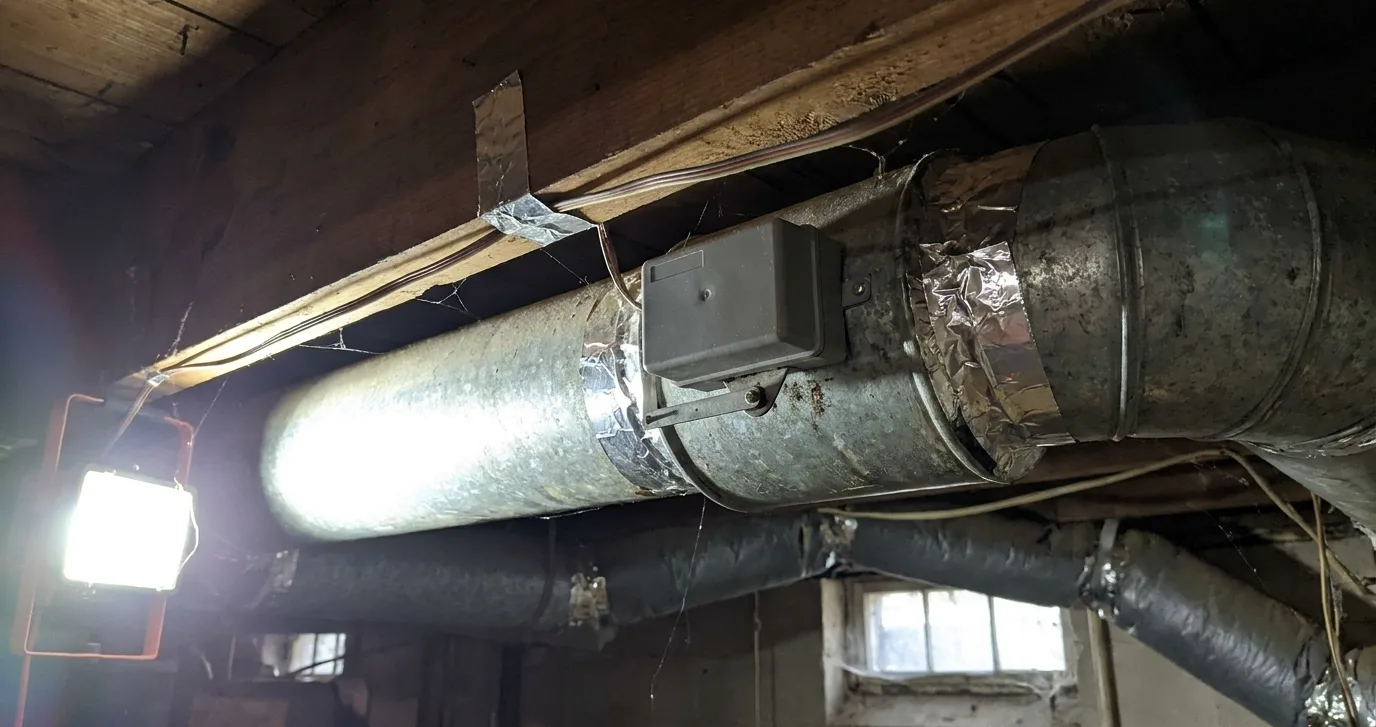
In two-story homes the upstairs often runs ten degrees warmer than the basement because heat rises and the main thermostat sits on the first floor. We place motorized dampers in the supply trunks to close off airflow to the cooler level once that zone reaches setpoint while keeping the upper floor supplied, a common fix from Garrett Heating & Cooling. Heat rises through the open stairwell.
Bonus rooms over garages often run hotter. Why? Glass walls add solar gain fast. A zone panel reads separate thermostats and powers damper motors only where needed.
When retrofitting an existing duct system we check static pressure first. Adding a bypass damper between supply and return prevents the blower from pushing against closed zones and keeps the equipment from short cycling or running noisy.
Common Situations That Point to Zoning
- Upstairs bedrooms stay warm while main floor feels fine
- Finished basement runs ten degrees colder than living areas
- Bonus room above garage never reaches comfortable temperature
- Glass-walled great room overheats on sunny days
- One thermostat controls areas with very different loads
- Open floor plan leaves some corners stuffy year round
What Happens on a Zoning Visit
Our techs start by mapping the existing duct runs and checking blower performance before any dampers go in.
- Measure airflow We measure static pressure at the equipment and out at each branch to see how much resistance the system already carries.
- Locate damper spots Accessible trunk lines get marked for motorized dampers so they sit far enough upstream to serve whole zones without starving individual registers.
- Install control panel A new zone panel mounts near the equipment and low-voltage wiring runs to each thermostat and damper motor.
- Test bypass and stages With zones calling at different times we verify the bypass opens correctly and confirm two-stage or variable-speed equipment stages down instead of short cycling.
Zoning Versus Simple Balancing
| Approach | When It Works Best |
|---|---|
| Manual balancing dampers | Small single-story homes with even loads |
| Motorized zoning | Two-story houses or rooms with big glass or garage exposure |
| Duct modifications only | Undersized returns or crushed flex that starves whole branches |
| Two-stage equipment alone | Moderate imbalance where one thermostat still works |
| Full zoning retrofit | Existing duct system already has trunk lines that can accept dampers |
Some homes only need a couple of manual dampers adjusted or a duct repair to fix the worst rooms. Temperature swings stay large after those fixes. Motorized zoning gives each area its own control. Without running the whole system harder than necessary.
What Homeowners Can Check First
Walk through the house at different times of day and note which rooms feel off while the system runs. Closed doors, blocked returns, or dirty filters often create the first noticeable differences before zoning is needed.
Speaking of capacity, if you already have a two-stage or variable-speed unit, zoning pairs well because the equipment can run at lower capacity for one zone instead of short cycling the whole house. It helps. Older single-stage systems may need a bypass or capacity review before zones are added.
Keep return paths open when doors are closed. Undercuts or transfer grilles prevent closed bedrooms from pulling too hard on the supply and raising static pressure on the blower.
Questions Homeowners Ask About Zoning
Can zoning be added to an older house?
Yes, most homes with accessible duct trunks can accept motorized dampers and a zone panel. We check the existing blower capacity and add a bypass if needed so the system stays within safe static pressure limits.
Will zoning make the equipment last longer?
It can reduce runtime on mild days because only the calling zones receive air. Pairing zones with two-stage or variable-speed equipment keeps the blower and compressor from starting and stopping as often.
What happens if a damper motor stops working?
The zone panel usually defaults that damper open so the area still receives air. We replace the motor during a service call and the rest of the system keeps running normally.
Do I need a new thermostat for every zone?
Each zone gets its own thermostat or sensor so the panel knows when to open dampers and call for heating or cooling in that area only.
When temperature differences stay large after basic balancing, HVAC Zoning often solves the problem without replacing the whole system. For other repairs such as Blower Motor Repair, reach out to our technicians.